
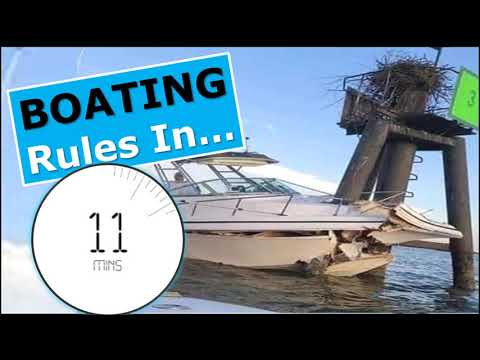
Boat towing and watersports can be incredibly fun and exciting activities, but it’s important to prioritize safety above all else. Whether you’re new to these activities or a seasoned pro, it’s crucial to familiarize yourself with the rules and safety precautions to ensure a smooth and enjoyable experience on the water. In this blog post, we will explore the essential guidelines and precautions you need to know when it comes to boat towing and watersports.
1. Know the regulations: Before you even hit the water, it’s essential to understand the local regulations and laws regarding boat towing and watersports. Different regions may have specific rules and restrictions, such as speed limits, designated areas for watersports, and equipment requirements. Familiarize yourself with these regulations to avoid any legal issues and ensure the safety of yourself and others.
2. Use a spotter: When engaging in watersports like wakeboarding, waterskiing, or tubing, always have a designated spotter on board. The spotter’s primary responsibility is to keep a close eye on the person being towed and communicate with the boat driver. They should be vigilant in watching for any signs of distress or potential hazards to ensure immediate action can be taken if necessary.
3. Check your equipment: Before heading out on the water, thoroughly inspect all your equipment, including ropes, tubes, skis, wakeboards, and life jackets. Ensure that everything is in good condition, free from any damage or wear and tear. Faulty equipment can lead to accidents or injuries, so it’s crucial to address any issues before hitting the water.
4. Wear a life jacket: Regardless of your swimming ability or confidence in the water, always wear a properly fitting and approved life jacket when participating in boat towing and watersports. Life jackets are designed to keep you afloat and provide crucial buoyancy in case of an accident or unexpected fall. Even if you’re a strong swimmer, wearing a life jacket is a non-negotiable safety precaution.
5. Communicate with hand signals: Due to the noise and distance between the boat and the person being towed, verbal communication can be challenging. Establish a set of hand signals that both the spotter and the person being towed understand. These signals should include basic commands like speed up, slow down, stop, and turn. Clear and effective communication is essential to avoid confusion and prevent accidents.
6. Be aware of your surroundings: When engaged in boat towing and watersports, always be mindful of your surroundings. Keep an eye out for other boats, swimmers, and potential hazards such as submerged objects or shallow water. Maintain a safe distance from other vessels and adhere to designated zones for watersports. Being aware of your surroundings will help you anticipate and avoid any potential dangers.
7. Know your limits: It’s important to know your own limits and capabilities when participating in boat towing and watersports. Don’t push yourself beyond what you’re comfortable with or attempt advanced maneuvers without proper training and experience. Start with beginner-friendly activities and gradually progress as your skills and confidence improve. Remember, safety should always be your top priority.
8. Maintain a safe speed: Speed plays a crucial role in boat towing and watersports. It’s important to maintain a safe and reasonable speed that allows the person being towed to maintain control and balance. Excessive speed can lead to loss of control, increased risk of accidents, and injuries. Always follow the recommended speed limits and adjust accordingly based on the skill level and comfort of the person being towed.
9. Stay hydrated and protect yourself from the sun: Spending long hours on the water can be physically demanding and expose you to the sun’s harmful rays. Stay hydrated by drinking plenty of water throughout the day and protect yourself from the sun by wearing sunscreen, a hat, and sunglasses. It’s easy to overlook these aspects while having fun, but staying hydrated and protected will ensure your well-being and prevent any health issues.
10. Learn proper techniques and receive proper training: To enhance your skills and ensure a safe experience, consider taking lessons or receiving proper training in boat towing and watersports. Professional instructors can teach you proper techniques, safety protocols, and help you understand the nuances of these activities. Investing in proper training will not only make you a more skilled participant but also significantly reduce the risk of accidents or injuries.
Stay Afloat: Essential Safety Precautions for Boating Enthusiasts
Stay Afloat: Essential Safety Precautions for Boating Enthusiasts
1. Life Jackets: Life jackets should always be worn by everyone on board a boat, regardless of their swimming ability. Make sure they are properly fitted and in good condition. Remember, accidents can happen unexpectedly, and a life jacket can be a lifesaver in such situations.
2. Weather Check: Before heading out on the water, always check the weather forecast. Sudden storms can pose a significant risk to boaters. Be aware of any storm warnings or advisories and plan your boating trips accordingly. It’s better to be safe and postpone your trip than to be caught in a dangerous situation.
3. Boat Maintenance: Regular maintenance of your boat is crucial for safe boating. Inspect your boat before each trip, checking for any signs of damage or wear and tear. Ensure that all equipment, such as navigation lights and engine, is in proper working condition. This will help prevent any unexpected breakdowns or malfunctions while you’re out on the water.
4. Navigation Rules: Familiarize yourself with the navigation rules and regulations of the waterway you’ll be boating in. Understanding these rules will help you navigate safely and avoid collisions with other boats. Be aware of speed limits, no-wake zones, and right-of-way rules to ensure a smooth and safe boating experience.
5. Alcohol and Boating Don’t Mix: Just like driving, operating a boat under the influence of alcohol or drugs is illegal and extremely dangerous. Alcohol impairs judgment and reaction time, increasing the risk of accidents. Always designate a sober boat operator and save the celebrations for when you’re back on land.
6. Towing and Watersports Safety: If you’re towing someone behind your boat for watersports activities, there are specific safety precautions to follow. Make sure you have a spotter on board to keep an eye on the person being towed. Maintain a safe distance from other boats and objects in the water. Always use appropriate tow lines and ensure they are securely attached. Additionally, educate yourself and others about hand signals for effective communication while towing.
7. Emergency Preparedness: Prepare for emergencies by carrying essential safety equipment on your boat. This includes a first aid kit, a fire extinguisher, flares, a whistle, and a throwable flotation device. It’s also a good idea to have a working VHF radio or a cell phone with you for communication in case of emergencies.
8. Boating Education: Taking a boating safety course can greatly enhance your knowledge and skills as a boater. These courses cover topics such as navigation, rules of the waterway, and emergency procedures. By educating yourself, you’ll be better equipped to handle any situation that may arise while boating.
Remember, boating can be a thrilling and enjoyable experience, but safety should always be a top priority. By following these essential safety precautions, you can ensure a safe and memorable time on the water. So, gear up, stay vigilant, and enjoy your boating adventures responsibly!
Ensuring Smooth and Secure Waters: Essential Safety Precautions for Towing Skiers Behind Your Boat
Ensuring Smooth and Secure Waters: Essential Safety Precautions for Towing Skiers Behind Your Boat
1.
Life Jackets: Prioritize Safety First
When it comes to towing skiers behind your boat, safety should always be your top priority. Ensure that everyone involved is wearing a properly fitted and Coast Guard-approved life jacket. Remember, accidents can happen, and having life jackets on all participants will provide an extra layer of protection in case of emergencies.
2. Proper Communication: Establish Clear Signals
Communication between the skier and the boat driver is crucial for a safe towing experience. Before starting the activity, establish clear hand signals or verbal cues to ensure smooth communication. These signals should include indications for starting, stopping, speeding up, slowing down, and any other necessary instructions. Practice these signals before hitting the water to ensure that everyone understands and can respond appropriately.
3. Spotter on Board: Maintaining Visibility
Having a designated spotter on board is essential for maintaining visibility and keeping an eye on the skier. The spotter’s responsibility is to watch the skier at all times, ensuring their safety and alerting the driver of any potential hazards or issues. The spotter should have a clear line of sight and be able to communicate with the driver effectively.
4. Proper Rope and Equipment: Check for Quality and Integrity
Before towing a skier, inspect the rope and equipment to ensure they are in good condition. Check for any signs of wear and tear, knots, or frayed ends. Using a high-quality tow rope specifically designed for water sports is crucial for safety. It should have a proper length and strength suitable for towing skiers and be free of any defects that could compromise safety.
5. Maintain a Safe Distance: Avoid Collisions
Maintain a safe distance between the boat and the skier to avoid collisions and accidents. It is recommended to keep a minimum distance of at least 100 feet from any objects, including other boats, docks, or shorelines. This distance allows the skier to have enough room to maneuver and reduces the risk of accidents caused by sudden turns or obstacles.
6. Be Aware of Surroundings: Know the Waterway and Conditions
Familiarize yourself with the waterway and any specific rules or regulations pertaining to towing skiers in your area. Take note of any speed limits, no-wake zones, or restricted areas. Additionally, be aware of the weather conditions and water conditions before heading out. Avoid towing skiers in rough waters, strong currents, or during adverse weather conditions that may pose a risk to their safety.
7. Practice Safe Speeds: Adjust According to Skill Level
Adjust the boat’s speed according to the skier’s skill level and comfort. Beginners should start at a slower speed to gain confidence and stability, while more experienced skiers may prefer higher speeds for a more thrilling experience. Always be mindful of the skier’s abilities and never exceed the recommended speed limits for towing water sports.
Remember, safety is paramount when towing skiers behind your boat. By following these essential safety precautions, you can ensure a smooth and secure experience for everyone involved. Stay vigilant, communicate effectively, and enjoy the thrill of water skiing while keeping safety at the forefront.
Unveiling the Importance of Tow Sport Safety: Safeguarding Thrill-Seekers on the Water
Unveiling the Importance of Tow Sport Safety: Safeguarding Thrill-Seekers on the Water
1. Introduction: Setting the Scene
Picture this: you’re out on the water, the sun shining down, and you’re itching to try out some tow sports. But before you dive headfirst into the excitement, it’s crucial to familiarize yourself with the rules and safety precautions that go hand in hand with boat towing and watersports. In this article, we delve into the vital aspects of tow sport safety, ensuring that both thrill-seekers and those responsible for their well-being are equipped with the knowledge they need to stay safe and have a blast.
2. The Essentials of Boat Towing Safety
When it comes to boat towing, safety should be the number one priority. Here are some rules and precautions to keep in mind:
– Proper Equipment: Ensure that your boat is equipped with the necessary towing equipment, including a strong tow rope, a tow harness, and a sturdy tow bar. Regularly inspect and maintain these items to avoid any unforeseen accidents.
– Communication is Key: Establish clear communication between the boat driver and the person being towed. Use hand signals or a designated communication system to ensure smooth coordination and understanding.
– Appropriate Speed: Always abide by speed limits and adjust your speed based on the skill level of the person being towed. Gradually increase the speed to provide a safe and enjoyable experience.
– Know the Water Conditions: Familiarize yourself with the water conditions, such as wave height, currents, and obstacles. Stay away from shallow areas, rocks, or any potential hazards to prevent accidents or injuries.
– Safety Gear: Ensure that everyone involved wears appropriate safety gear, including life jackets, helmets, and wetsuits if necessary. This gear can significantly reduce the risk of injury and provide added peace of mind.
3. Safety Precautions for Watersports Enthusiasts
For those who can’t resist the thrill of watersports, here are some additional safety precautions to consider:
– Know Your Limits: Be honest with yourself about your skill level and only attempt watersports that you are comfortable and confident in. Pushing yourself too far beyond your abilities can lead to accidents or injuries.
– Warm-Up and Stretch: Prior to engaging in any tow sports, warm up your muscles and perform stretching exercises to reduce the risk of strains or sprains.
– Stay Hydrated: Spending hours in the sun and engaging in physical activities can dehydrate your body. Drink plenty of water before, during, and after your tow sport sessions to stay hydrated and maintain optimal performance.
– Buddy System: Always have a buddy with you while participating in tow sports. This ensures that there is someone to assist or seek help in case of an emergency.
– Be Aware of Fatigue: Tow sports can be physically demanding, so pay attention to signs of fatigue. Take regular breaks, and if you feel tired, it’s essential to rest and recharge before continuing.
In conclusion, tow sport safety is of utmost importance for both thrill-seekers and those responsible for their well-being. By following the rules and safety precautions outlined above, you can enjoy the excitement of tow sports while minimizing the risks associated with these activities. So, gear up, stay safe, and make unforgettable memories out on the water!
What are the rules and safety precautions for boat towing and watersports?
Boat towing and watersports can be exciting and enjoyable activities, but it is important to understand the rules and safety precautions involved to ensure a safe and enjoyable experience for everyone involved. Whether you are new to towing or a seasoned pro, it is crucial to familiarize yourself with the guidelines and take the necessary precautions to prevent accidents and injuries.
**What are the rules for boat towing?**
When it comes to boat towing, there are several rules that must be followed to ensure the safety of both the participants and other boaters on the water. One of the first rules is to always have a spotter on board who can keep an eye on the towed individual and communicate with the driver. It is also important to maintain a safe distance from other boats and swimmers and to always travel in a straight line while towing.
Additionally, it is essential to be aware of and adhere to the local regulations and speed limits set by the authorities. This includes following any specific rules for towing in certain areas or at certain times. It is also crucial to have the proper equipment, such as a safety flag and a tow line of adequate length and strength.
**What safety precautions should be taken for watersports?**
Watersports can be exhilarating, but safety should always be a top priority. Before engaging in any watersport activity, it is important to ensure that all participants are wearing appropriate safety gear, such as life jackets or personal flotation devices. It is also crucial to have a thorough understanding of the specific sport’s techniques and rules to prevent accidents and injuries.
Furthermore, it is important to choose the right location for watersports activities. Avoid areas with heavy boat traffic or strong currents, as they can increase the risk of accidents. It is also important to check the weather conditions before heading out, as strong winds or storms can make watersports dangerous.
**Frequently Asked Questions**
**1. Can I tow someone without a spotter?**
While it is not recommended, in some cases, it may be allowed to tow someone without a spotter. However, it is crucial to check the local regulations and ensure that you have a clear line of sight to the person being towed at all times.
**2. Do I need a special license for boat towing?**
The requirements for a special license for boat towing vary depending on the jurisdiction and the size of the boat being towed. In some cases, a regular boating license may be sufficient, while in others, a specific endorsement or certification may be required. It is important to check the regulations in your area to determine if any additional licensing is necessary.
**3. What should I do if someone falls while waterskiing or wakeboarding?**
If someone falls while waterskiing or wakeboarding, the driver should immediately slow down, turn off the engine, and circle back to the fallen individual. It is important to approach slowly and cautiously to avoid any further injuries. The spotter should also communicate with the driver to ensure a safe retrieval.
In conclusion, boat towing and watersports can be thrilling activities, but it is vital to prioritize safety and follow the rules and precautions. By having a spotter, obeying local regulations, wearing appropriate safety gear, and choosing suitable locations, you can ensure a safe and enjoyable experience for everyone involved. Always remember to check the specific rules and guidelines in your area and stay informed about any changes or updates. Safe boating and happy towing!